



Small and mid-sized companies often rely on manual processes longer than they should, but implementing automation can be easy!
Spreadsheets, emails, repetitive data entry — all of this slows down operations and increases the risk of errors.
At some point, growth becomes difficult not because of a lack of demand, but because internal processes are not scalable.
This is where business process automation becomes essential.
Why Most Companies Struggle with Automation
Many businesses assume automation is:
- expensive
- complex
- only for large enterprises
In reality, the main issue is not technology — it’s structure.
Without clearly defined workflows, even the best tools won’t deliver results.
Automation should not start with tools.
It should start with understanding how your business operates.
What Business Process Automation Really Means
Automation is not about replacing people.
It’s about:
- reducing repetitive work
- connecting systems
- improving accuracy
- enabling faster decision-making
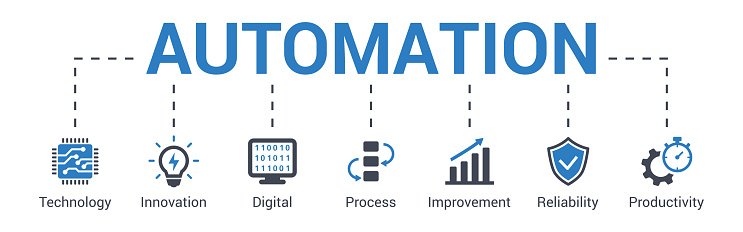
For small companies, the goal is simple – confident development and growth.
Key Business Processes You Should Automate First
Not all processes need automation immediately. The key is to start with areas that consume the most time and are prone to human error.
Here are the most impactful ones:
1. Data Entry and Synchronization
Manually transferring data between systems (e.g., CRM, email, spreadsheets) is inefficient and error-prone.
Automation ensures consistency and saves hours every week.
2. Lead Management
From capturing leads to assigning them and sending follow-ups — this entire flow can be automated.
This reduces response time and improves conversion rates.
3. Document Handling
No chaos – Invoices, contracts, and reports can be generated, stored, and shared automatically.
No more searching through folders or emails.
4. Internal Notifications
Instead of relying on manual updates, automation can notify teams when something important happens.
This keeps everyone aligned in real time.
Explore our services or get in touch to discuss your case:
⬇️
A Simple Way to Start Automation
You don’t need a full digital transformation from day one.
A practical approach looks like this:
- Identify one repetitive process.
- Map how it currently works
- Find bottlenecks and inefficiencies.
- Implement a simple automated solution.
- Expand gradually
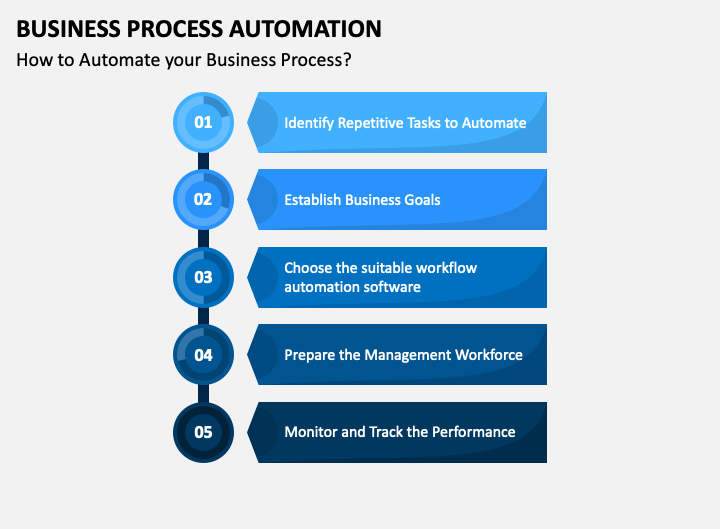
Small improvements compound over time.
The goal is not perfection — it’s progress.
Choosing the Right Approach
There are many tools available today, from low-code platforms to fully customized systems.
The best solution depends on:
- your current tools
- your business model
- your growth plans
For example:
- automation tools
- system integrations
- custom business applications
In many cases, a combination of technologies delivers the best results.
Working together as a unified system.
Summary
Business process automation is no longer a luxury — it’s a necessity for companies that want to grow efficiently.
The sooner you start optimizing your processes, the faster you gain a competitive advantage.
Even small improvements can have a significant impact on productivity, accuracy, and scalability.
If you’re considering automation but don’t know where to start
We help businesses design and implement structured automation systems tailored to their operations. Explore our services or get in touch to discuss your case.